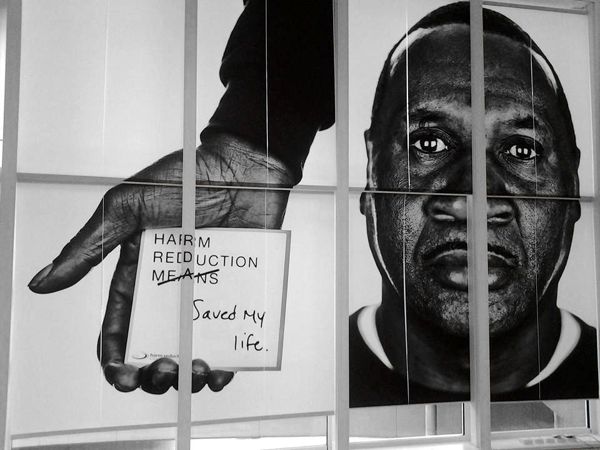
Harm reduction is an approach to drug use that aims to give substance users autonomy to live healthily.
This can be considered the opposite of punitive drug policy, which criminalizes drug possession and use, and pushes substance users into a repeating cycle of incarceration and withdrawal.
Legal Regulation and Safer Supply
The Drug Policy Alliance, a US organization, is exploring legal regulation and safer supply. These are the main potential benefits of this approach.
- Increased transparency in ingredient listing.
- Unregulated and illegal drug suppliers often sell mixed or impure products. Safer supply of drug manufacturing could prevent impurities or unknown additives in products. Reducing the potential of drug additives also reduces the risk of serious or fatal drug interactions.
- Stricter marketing rules.
- Sometimes, vendors falsely advertise their products as a substance they are not. Legal regulation of a drug distribution market could significantly reduce false advertising.
If a drug is legally regulated, it is bound to the Code of Federal Regulations (CFR). Title 21 of the CFR, section 201.10 details federal regulations on listing the ingredients of a drug prominently on the label, without any misleading information.
During the events of Fontaine's main quest, the main character helps bring the Sinthe manufacturer to justice, shutting down production completely. However, because no more Sinthe is being produced, the approaches of legal regulation and safer supply can't exactly be applied.
Medication-Assisted Treatment
Because psychoactive drugs can permanently alter the chemistry of the brain, it's often harmful and counterproductive to completely stop taking a substance when someone has developed a dependence. Unfortunately, for the people of Fontaine, there are very limited options when the source of the substance itself has been removed. As a result, anyone in Fontaine left with a Sinthe addiction will start experiencing withdrawal symptoms, some of which could be serious or even fatal.
Treatment for substance use disorder is most often a combination of therapy and medications. In the U.S., the Substance Abuse and Mental Health Services Administration (SAMHSA) provides information about medications for substance use disorder, and mentions that they are most effective in combination with counseling. Title 42 of the CFR mandates that federal opioid treatment programs must include adequate counseling services.
It's important to note that the efficacy of treatment programs is dependent on the patient's motivation to participate.
Specific medications for treatment depend on the precise chemistry and mechanisms of Sinthe, which cannot be determined. However, the medications listed on the SAMHSA website all act primarily on the brain's opioid system, which is responsible for feelings of euphoria. They are summarized as follows.
- Acamprosate
- Acamprosate is a medication for alcohol use disorder. It's used specifically in maintaining abstinence, and helps patients avoid drinking. How exactly it does this is not yet understood.
- Disulfiram
- Disulfiram is an alcohol antagonist to treat chronic alcohol use disorder. If it interacts with alcohol in the body, extremely unpleasant reactions occur.
- Naltrexone
- Naltrexone is an opioid antagonist that is also being explored in treating alcohol use disorder. It blocks the euphoric effects of opiates and alcohol, but also reduces tolerance. This can lead to a much higher chance of overdose. Articles exploring naltrexone in alcohol use disorder specifically are listed below.
- Buprenorphine
- Buprenorphine is a partial opioid agonist. It binds to the same receptors as many opiates, but does not produce the rewarding effects. This can help reduce cravings for opiate drugs.
- Methadone
- Methadone is a long-acting opioid agonist that is used to treat opioid addiction. It behaves similar to morphine, another kind of opiate, and reduces the effects of taking opiate drugs.
- Naloxone
- Naloxone is an opioid antagonist that can reverse the effects of opioid drugs in case of an overdose. It is also combined with buprenorphine as a treatment regimen.
The above drugs have all been tested and FDA-approved. The presence of such substances in Teyvat and the efficacy of these drugs in the people of Fontaine are both completely uncertain, though. A lot of research would have to be conducted by the Fontaine government in order to find an effective treatment plan.